
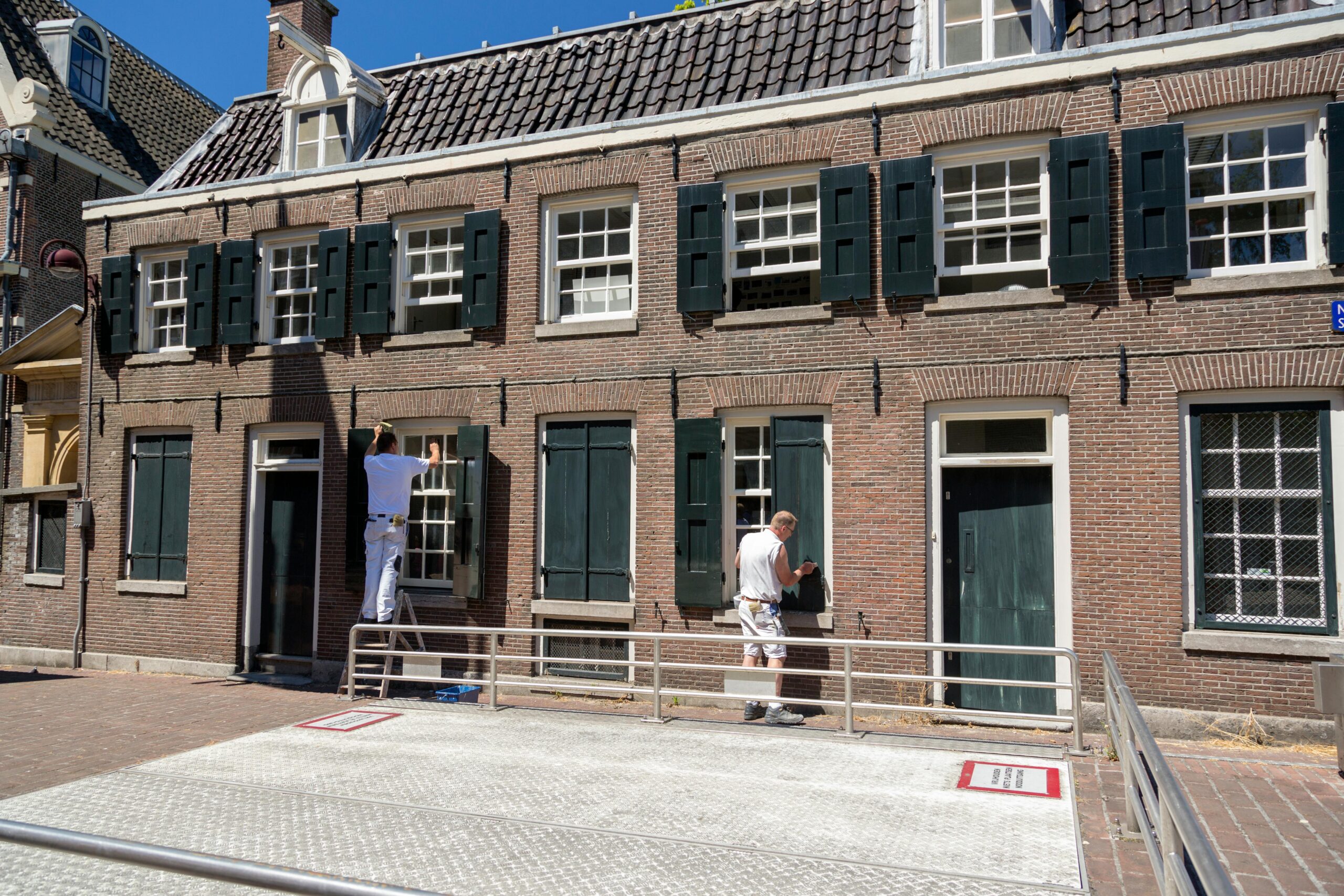
If you are planning exterior painting in Calgary, the weather is not just a background detail. It is one of the main factors that determines how long the finish lasts and how well the project performs. Our climate asks a lot from exterior coatings. Strong UV exposure, chinooks, freeze-thaw cycles, summer heat spikes, spring moisture, wind, hail, and winter contraction all put pressure on paint films, caulking, wood trim, and exposed surfaces. That means a house can still look acceptable from the street while already moving toward a stage where peeling, fading, cracking, or water entry becomes more expensive to deal with.
Because of that, the best exterior painting projects are never just colour changes. They are maintenance projects, protective projects, and curb-appeal projects at the same time. If the siding, trim, fascia, front door, garage surround, or window details are not prepared correctly, even a good brand of paint will struggle to last. On the other hand, when the prep is right and the timing is handled well, an exterior repaint can dramatically improve both the appearance and the resilience of the home.
Calgary Painter 4U already has service pages for exterior painting, trim and door painting, colour refresh projects, and general painting services in Calgary. This guide goes deeper into how to know when the exterior really needs attention, how to schedule the work for Alberta conditions, and how to make product and colour decisions that will still feel smart years from now.
Why Calgary weather is hard on exterior paint
Exterior paint lasts longest when the substrate stays stable and the coating is given the right conditions to cure. Calgary rarely gives you a simple, predictable environment for that. A house can face intense sun on one elevation, then sharp overnight temperature drops, then wind-driven dust, then sudden moisture events. South- and west-facing surfaces usually age faster because they take more UV load and often more heat. Wood trim can expand and contract. Caulk joints can split. Older coatings can become brittle. Areas that look fine in shade may be failing more aggressively on sun-facing walls.
Even when full peeling has not started, subtle warning signs matter. Fading colour, exposed raw wood on trim edges, fine cracking at joints, chalkiness when you rub the surface, shrinking caulk, and small paint failure near horizontal transitions all indicate the exterior system is wearing down. Waiting too long often turns a repaint into a more expensive repair-heavy project. That is why regular evaluation is just as important as the actual painting.
Homeowners sometimes assume masonry, stucco, fiber cement, or engineered siding make them immune to exterior wear, but every assembly still has vulnerable details. Fascia boards, soffit edges, trim, garage door frames, porch posts, exposed wood accents, and entry doors can all deteriorate faster than the main body of the house. In many cases, the smartest project is not necessarily a full house repaint right away. It may be a strategically timed partial project focused on the surfaces taking the most punishment.
How to tell when your house is ready for exterior painting
The clearest signal is visible breakdown. If paint is peeling, blistering, or flaking, the house is already overdue in those areas. But there are earlier signs that are worth catching before failure becomes obvious. Look closely at trim around windows and doors, horizontal ledges, fascia, garage surrounds, handrails, porch details, and any exposed wood near grade. If the sheen is failing unevenly, the coating looks dry, or colour has gone washed-out, the protective value may already be dropping.
Another sign is recurrent caulking failure. Paint and caulking work together on an exterior. When joints open repeatedly, water gets more opportunity to move in behind the finish. That does not always mean there is major damage already, but it does mean the system needs attention. Ignoring those small openings can eventually lead to substrate deterioration that is far more expensive than repainting at the right time.
Front doors and entry details are also worth watching. Because they are used daily and exposed to temperature swings, they often wear faster than the broad wall surfaces around them. A tired entry can make the entire home feel neglected even when most of the siding still looks decent. That is one reason exterior projects often include the door and adjacent trim as a visual focal point instead of leaving them as a mismatch.
The best time of year for exterior painting in Calgary
Timing matters because the coating needs a stable enough window to bond and cure properly. In Calgary, exterior painting season usually works best once temperatures are reliably above minimum product requirements and overnight lows are no longer dropping into risky territory. Late spring, summer, and early fall are the most common windows, but the exact timing depends on the surface, the exposure, the day-to-night temperature range, and the specific products being used.
Summer is not automatically perfect. Extremely hot direct sun can make some surfaces too warm, especially darker trim or west-facing elevations in the afternoon. Painters need to work with the sun path, not against it, so sequencing the sides of the house becomes part of the craft. A well-run exterior project often rotates through elevations based on temperature, shade, moisture levels, and dry times rather than simply going around the house in a convenient order.
Early fall can be excellent when daytime conditions are stable, but the margin for error gets smaller as nights cool. This is another reason it is smart to schedule before the season is nearly gone. Rushing an exterior job because winter is approaching can create avoidable quality issues. If you are unsure whether your project is better now or next season, it helps to have the exterior assessed before you commit. That way the decision is based on real surface condition instead of guesswork.
Prep work that should happen before exterior paint goes on
Prep is where most of the long-term value is created. Exterior painting is not just a question of covering the old colour. Surfaces need to be cleaned of dust, chalking, debris, failing paint, and contaminants. Loose edges need scraping. Glossy or unstable areas may need sanding or more aggressive preparation. Damaged caulking needs replacement. Exposed wood may need spot priming. Minor substrate repairs should be handled before finish coats begin.
The right prep level depends on what the house is made of. Wood trim requires close attention to peeling edges, exposed grain, and end cuts. Previously painted doors and garage surrounds often need deglossing and adhesion-focused prep. Fiber cement and engineered surfaces may need less aggressive scraping but still need solid cleaning, inspection, and caulk review. Older homes may also have spots where previous paint layers are building up and need smoothing so the finish does not look lumpy or patched after repainting.
One of the biggest mistakes is treating prep as an invisible area where corners can be cut. Homeowners often cannot see every step while the work is happening, but they absolutely see the result later. If the old coating was weak and not fully addressed, the new paint may fail sooner because it is bonded to a failing layer underneath. A good painter is not only applying new material. They are deciding what has to come off, what can stay, what must be sealed, and where the coating system needs reinforcement.
How product choice changes the lifespan of exterior painting
There is no single paint product that solves every Calgary exterior condition. The right coating depends on the substrate, the exposure, the existing finish, and the design goals. Trim, fascia, doors, siding accents, porch posts, and other details may not all receive the exact same specification. Durable adhesion, UV resistance, colour retention, flexibility, and the ability to handle seasonal movement all matter.
If you want to compare local product options or browse colour tools yourself, Calgary offers several reliable sources. You can visit Cloverdale Paint in Calgary, review exterior coatings at Sherwin-Williams Calgary, or use the Dulux locator to compare options. For Benjamin Moore shoppers, The Paint Pros is another strong Calgary resource. These stores are useful for understanding colour depth, exterior sheen choices, and why some primers and topcoats are better suited to specific surfaces than others.
Still, a store visit should support the project plan rather than replace it. Exterior coatings only perform as well as the prep and substrate allow. A premium topcoat over loose paint or failing caulk does not become a premium result. The prep sequence and material choice need to agree with each other.
Choosing exterior colours that look good year-round
Colour choice on the outside of a home has a longer lifespan than interior colour. It affects curb appeal every day, it interacts with roof tone, stone, brick, soffits, gutters, and neighbouring properties, and it needs to look convincing in bright summer light as well as winter snow reflection. That is why the best exterior colours are usually not the most dramatic colours from the fan deck. They are the colours that hold their character under different conditions and support the fixed materials already on the house.
A good starting point is to separate the home into body colour, trim colour, and accent colour. The body colour does the heavy lifting. The trim should sharpen or soften the architecture. The accent belongs on the front door, shutters if present, or carefully chosen entry details rather than being scattered everywhere. If you have already updated interior colours and want the outside of the house to feel more aligned, the colour refresh projects page can help you think about colour strategy in a more intentional way.
In Calgary, slightly dusty neutrals, warm off-whites, sophisticated greiges, muted greens, and charcoals often perform well when they match the roof and stone correctly. What matters is not whether a colour is trendy but whether it makes the architecture feel settled and cohesive. Exterior repainting is one of the easiest places to waste money chasing a colour that photographs well online but does not belong on your actual house.
Why trim, doors, and details deserve focused attention
Some of the highest-impact exterior changes happen on smaller elements. A well-painted front door, refreshed garage trim, clean fascia, and crisp window details can change the entire impression of the house even before a full repaint is necessary. These details usually weather harder because they are exposed, handled, or built with materials that move more than the main wall surface.
That is why it makes sense to coordinate exterior painting with the related trim and door painting service rather than treating those parts as leftovers. The front door in particular should feel like a designed focal point, not an isolated colour sample. When entry details, trim, and wall colour work together, the home feels more polished and intentional from the street.
Material-specific exterior considerations homeowners often miss
Wood trim and fascia usually demand the most vigilance because once the paint film breaks down, the underlying material is more exposed to moisture and movement. End grain, horizontal edges, and joints are especially vulnerable. These surfaces should be checked closely during every exterior assessment.
Previously painted stucco or masonry details need a different evaluation. Hairline cracks, coating adhesion, and moisture paths matter more than simple colour wear. These surfaces may not peel the way wood does, but they still require correct coating selection and prep so the finish remains breathable and stable.
Fiber cement and engineered products often hold up well overall, but trim transitions, cut edges, and joint details still deserve attention. A house can look mostly fine from the curb while the smaller trim pieces are already moving toward failure. That is why detail inspection matters more than broad assumptions about the siding material.
Garage doors, front doors, and porch features also deserve their own plan. These are not minor extras. They are focal points that affect the home’s character every time someone arrives. Because they are touched often and exposed directly, they require a more finishing-oriented mindset than broad wall areas do.
How to phase an exterior project when you do not want to do everything at once
Not every homeowner wants or needs a full exterior repaint immediately. In many cases, the smartest move is to phase the project based on exposure and urgency. The most weathered elevations, trim details, and entry features can be handled first, while more stable surfaces are scheduled later. This keeps the budget practical without ignoring the areas where failure is beginning.
A good phased plan usually starts with the most vulnerable or visible surfaces: trim, fascia, garage surrounds, front entry details, and any elevation showing active chalking or peeling. If those components are stabilized and refreshed first, the home often looks better right away while buying time for the broader repaint. This is especially useful for homeowners preparing for future resale, dealing with multiple home projects at once, or simply wanting to spread the investment more comfortably.
The important thing is that phasing should still feel intentional. Randomly repainting one part of the house with no long-term plan can create a patchwork look. A thoughtful sequence keeps the exterior visually coherent while prioritizing the areas that need protection soonest.
Phasing also gives homeowners time to make smarter design choices. If you refresh the entry, trim, and most weathered elevations first, you get to live with those updates and see how they affect the overall curb appeal before committing to the full exterior palette. That can lead to better long-term colour decisions and a more confident second phase instead of making every decision under one rushed deadline.
How exterior painting supports resale and long-term maintenance
A strong exterior repaint does more than improve curb appeal. It signals maintenance. Buyers notice when trim is peeling, doors are faded, fascia is rough, or caulking is failing. Even if they cannot name the technical problem, they read it as deferred upkeep. A clean exterior finish creates trust because it suggests the home has been looked after rather than neglected until something forced action.
For homeowners staying long term, repainting at the right time also protects future budgets. Catching exposed or vulnerable surfaces before they deteriorate further is often much cheaper than waiting for wood damage, joint failure, or larger restoration work. That is why the right time to repaint is not necessarily when the house looks terrible. It is when the house is beginning to show that the protective system is wearing thin.
Frequently asked questions about exterior painting in Calgary
How often should a Calgary house exterior be repainted?
There is no one-size-fits-all schedule. Exposure, substrate, paint quality, and maintenance history all matter. South- and west-facing trim often needs attention sooner than more protected surfaces.
Can exterior painting be done if nights are still cool?
Sometimes, depending on the product and the specific forecast, but the margin for error gets tighter. Stable conditions are always better than trying to push the season too early or too late.
Do I need to repaint the whole house if only the trim is failing?
No. In some cases, targeted repainting of trim, fascia, doors, and problem zones is the most practical move. The right decision depends on the current condition and whether the rest of the coating system is still sound.
What is the biggest reason exterior paint fails early?
Poor prep is usually the main cause. Painting over loose material, failing caulk, chalky surfaces, or damp/problematic areas shortens the life of even good products.
Should caulking be redone as part of exterior painting?
Often yes. Open joints and failing caulk reduce protection and make the finished work look incomplete. Exterior paint and caulking perform best when they are treated as part of the same maintenance system.
Can colour change increase curb appeal even without major renovations?
Absolutely. A smart, well-matched exterior colour update can make the home feel newer, cleaner, and more intentional even when the architecture stays exactly the same.
Is the front door really that important?
Yes. The entry is a focal point. A tired or faded front door can pull down the whole exterior, while a sharp finish there can elevate the first impression immediately.
What if only one side of the house looks worn?
That is common in Calgary because sun and exposure are not equal on every elevation. Sometimes one side truly does need attention sooner. The right response depends on whether the rest of the coating system is still sound and whether a phased plan will still look cohesive.
Can exterior painting help protect the value of the home?
Yes. A maintained exterior communicates that the property has been cared for. It also reduces the risk of letting minor coating failure turn into larger repair needs later.
How do I know whether my house needs washing, spot repairs, or a full repaint?
You need an honest condition review. Some houses mainly need cleaning and targeted detail work. Others have enough coating wear that a proper repaint is the more effective long-term solution.
Can exterior painting be coordinated with other curb-appeal updates?
Yes, and it often should be. When exterior paint is planned alongside lighting changes, hardware updates, or a front entry refresh, the house usually ends up looking more intentional than if each improvement is done in isolation.
What is the best next step if I think my exterior is getting close?
Book an evaluation through the contact page so the surfaces, prep needs, and timing can be reviewed properly. That is the easiest way to decide whether the house needs a full repaint now, a focused trim-and-detail project, or a planned schedule for the next season.
A successful exterior painting project in Calgary is not about racing the weather or picking the boldest colour. It is about good timing, thorough prep, the right materials, and a finish plan that respects how Alberta conditions actually affect the house. When those pieces line up, the result protects the home and makes it look significantly better at the same time.

Leave a Reply