
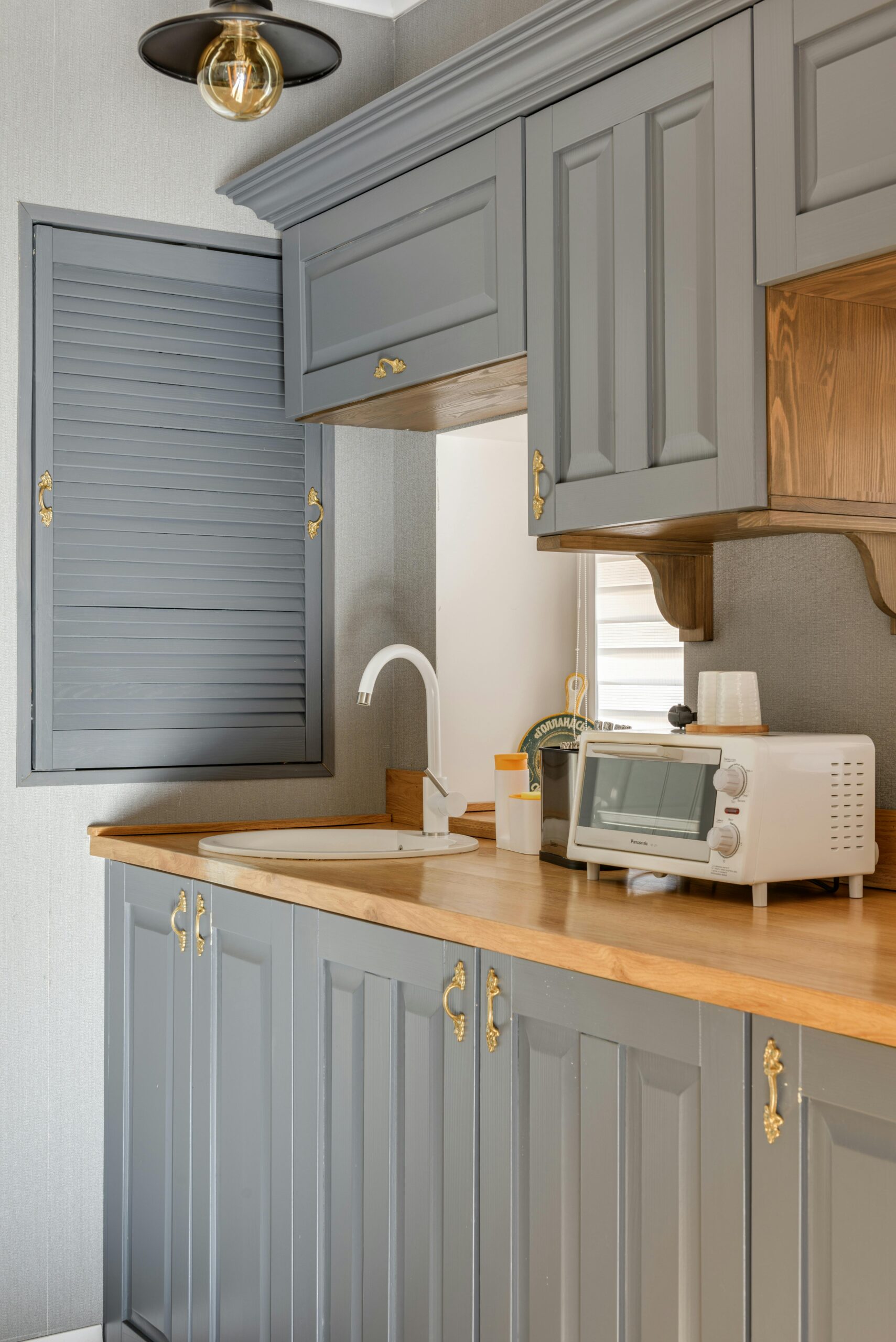
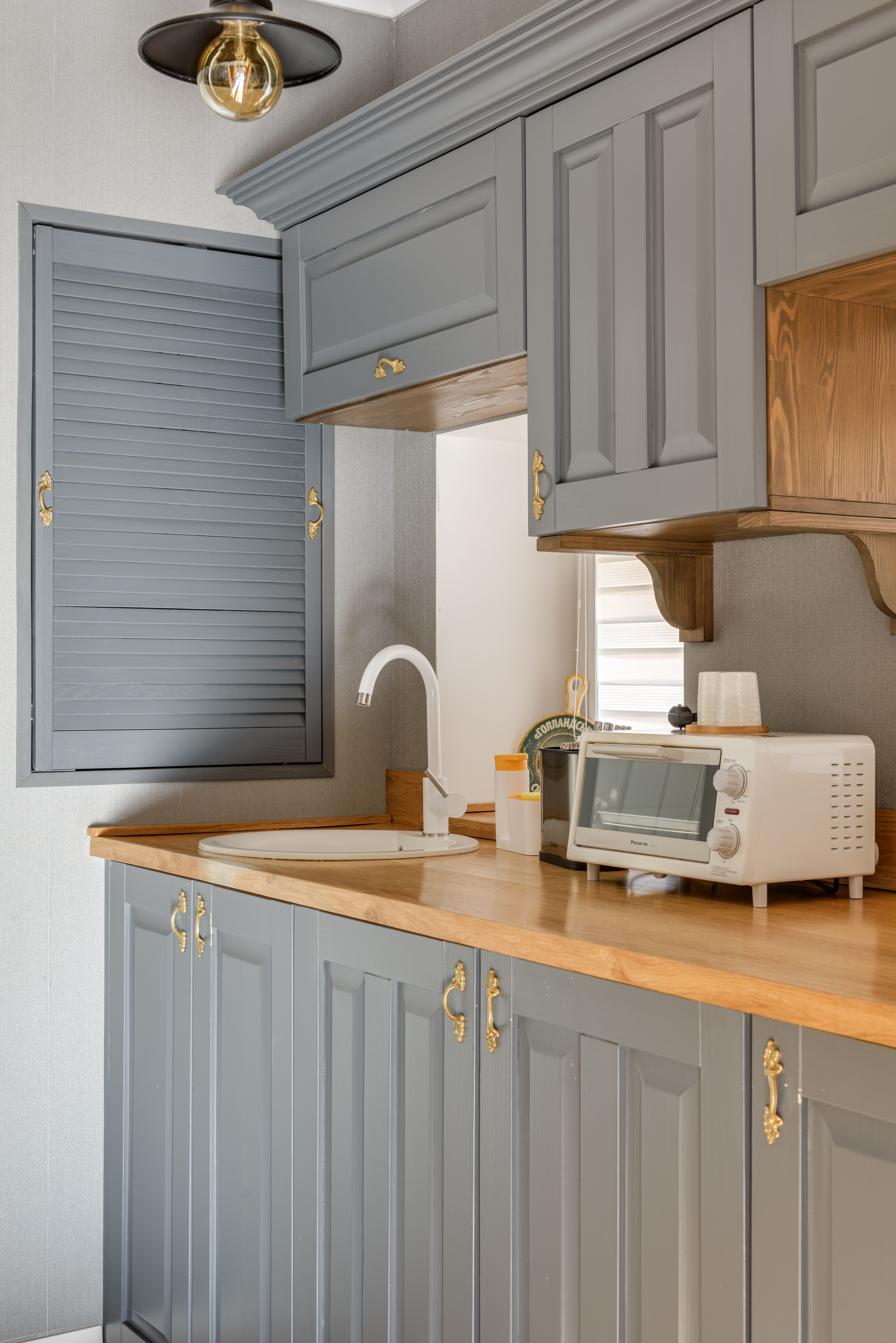
If your kitchen or bathroom feels dated but a full renovation is not the right move right now, cabinet painting in Calgary can be one of the smartest upgrades you make. It changes the visual weight of the room, modernizes the colour story, and often delivers a surprisingly big transformation without the cost, demolition, and downtime of full cabinet replacement. But there is also a reason so many homeowners are nervous about it. Cabinet painting only looks great when it is approached like finish work, not like standard wall painting. The prep is more demanding, the product choice matters more, and the application quality has to be much tighter.
Cabinets are handled every day. Hands, moisture, oils, cooking residue, cleaning chemicals, impacts, and constant touch all test the finish. That means the result has to do more than look good for a week. It has to resist chipping, feel smooth, clean up properly, and hold its appearance over time. A rushed cabinet project can leave brush marks, weak adhesion, sticky surfaces, drips on panel edges, or a finish that starts failing around handles and corners long before the homeowner expected. A properly planned cabinet repaint, on the other hand, can make the kitchen feel calmer, brighter, and far more current.
Calgary Painter 4U already has service pages for cabinet painting, colour refresh projects, interior painting, and the full range of painting services in Calgary. This guide will help you decide when cabinet refinishing makes more sense than replacement, what steps create the cleanest finish, how to choose cabinet colours that work in Calgary homes, and what to ask before approving the project.
When cabinet painting makes more sense than replacing the cabinets
Cabinet painting works best when the existing boxes and doors are structurally sound, the layout still functions, and the homeowner mainly wants a visual update rather than a different kitchen plan. If the cabinet frames are solid, the doors are in decent condition, the hinges and hardware can be refreshed, and the room already works operationally, refinishing can offer excellent value. It is often the sweet spot for homeowners who want the kitchen to feel modern without turning the house into a renovation zone.
Painting also makes sense when the countertops, flooring, backsplash, or lighting have already been updated and the cabinet colour is now the piece holding the room back. We see this often in Calgary homes where older oak, deep cherry, heavy espresso, or yellowing off-white cabinetry makes the kitchen feel darker than it needs to be. A cabinet repaint can immediately rebalance the room and make those newer surfaces feel more intentional.
Another good reason to refinish is when the room needs a cleaner visual identity rather than major construction. Colour has a huge effect on how large and calm a kitchen feels. Lighter warm neutrals can brighten enclosed rooms. Softer greens or grounded greiges can give a builder-grade kitchen more personality without making it trendy in a way that dates quickly. If you also plan to repaint nearby walls, it helps to coordinate cabinet colour with the broader interior painting plan instead of choosing each element in isolation.
When replacement may be the better choice
Cabinet painting is not the answer in every situation. If the boxes are failing, the layout is poor, the doors are warped, there is water damage, or the style is so dated that colour alone cannot save it, replacement may make more sense. The same is true if you plan to move appliances, add major storage changes, alter the island, or completely change the function of the room. Paint can dramatically improve finish and style, but it cannot correct a layout that is fundamentally wrong for how you live.
Open discussion about that line is important. A good contractor should not promise that paint will solve problems it cannot solve. Cabinet painting is powerful when the cabinetry deserves to stay. When it does not, honesty saves time and money. The best decisions come from looking at the whole room, not just the cabinet door sample.
Why cabinet prep is so much more demanding than wall prep
Cabinets collect residues that walls usually do not. Kitchens in particular build up cooking oils, hand grime, cleaner residue, and invisible contamination around pulls, edges, and frequently touched doors. Bathrooms add moisture, hair product residue, and constant daily handling. If those surfaces are not cleaned and prepared correctly, adhesion becomes the weak point. The finish may look great on day one and still fail later because the substrate was never truly ready.
Proper prep often includes careful cleaning, deglossing or sanding where needed, detailed edge work, repair of dents or chips, removal or management of hardware, and a primer system designed for adhesion rather than simply colour change. On some jobs the finish is sprayed for a smoother factory-like look. On others, technique choices depend on the cabinetry style, jobsite realities, and desired result. The point is that cabinets need a finishing workflow, not a casual coat of trim paint.
This is one of the main reasons homeowners become disappointed with bargain cabinet quotes. The cheap version often looks affordable because it leaves out the labour-intensive preparation that makes the finish durable. Cabinet painting should be evaluated on process as much as price.
The steps that lead to a smooth, long-lasting cabinet finish
A quality cabinet project usually starts with a careful review of the doors, drawer fronts, frames, end panels, and problem areas. Surface damage, swelling near sinks, previous touch-ups, and worn edges need to be identified before finishing begins. Then the cleaning and prep stage removes the contaminants that would otherwise compromise adhesion.
After that, sanding or deglossing helps create the right surface profile, repairs are completed where needed, and the primer system is applied based on the cabinet material and existing finish. Only once that base is stable does the project move into the finish stage. This is where smoothness, film build, and consistency matter. Panel profiles, inside corners, hinge-side edges, and drawer front details all need careful attention so the cabinet does not look good only from six feet away.
Dry time and cure time also matter. Cabinets are high-touch surfaces. Even after they feel dry, they still need time to harden properly. Rushing reassembly or heavy use too soon can damage a finish that would otherwise have cured beautifully. Homeowners should understand that “painted” and “fully cured” are not the same thing.
How to choose cabinet colours that make the room feel bigger and better
Colour choice is where cabinet painting becomes exciting, but this is also where people get pulled toward trends that do not fit the home. The most successful cabinet colours work with the countertop, backsplash, flooring, wall paint, and light exposure already in the room. A kitchen with warm flooring and creamy counters needs a different white than a space with cooler quartz and black hardware. A south-facing kitchen may handle a softer warm neutral beautifully, while a north-facing or enclosed kitchen might need a colour that keeps the room from feeling flat.
In Calgary homes, many successful cabinet palettes sit in the range of warm whites, soft taupes, earthy greiges, muted greens, and medium-depth grounding colours for islands or lower cabinets. The best choice is not automatically the lightest one. It is the one that makes the entire room feel more intentional. If you want inspiration beyond one colour chip, the colour refresh projects page is useful because it shows how colour strategy can modernize a space without making it feel generic.
Hardware should also be part of the conversation. Existing knobs and pulls can push a colour warmer, cooler, more traditional, or more contemporary. Sometimes the cabinet colour is right but the hardware is what keeps the room feeling dated. Thinking through those small details early prevents the “almost there” feeling after the job is done.
Local Calgary paint-shop resources for cabinet coatings and colour review
If you like to compare colour decks, primers, and finish systems in person, Calgary has several strong paint resources. You can review options at The Paint Pros, browse products at Sherwin-Williams Calgary, explore additional systems through Cloverdale Paint, or compare more retail-oriented options through the Dulux store locator. These stores are especially helpful when you want to see undertones in person or compare how different whites, greiges, and greens behave under local lighting.
Still, product shopping should serve the process, not replace it. A cabinet finish lives or dies on prep and application discipline. The best paint in the wrong workflow is still the wrong result. That is why skilled cabinet painting is different from simply choosing a premium label.
How cabinet painting affects the rest of the home
Cabinet painting often has a domino effect in a good way. Once the kitchen or bathroom cabinetry is updated, the walls, trim, and adjacent rooms may suddenly need less work than you expected because the space already feels fresher. In other cases, repainting nearby walls completes the transformation and makes the new cabinet colour feel fully integrated. If your kitchen opens into the main living area, it is worth reviewing the broader painting services in Calgary so the cabinet project fits the room-to-room palette instead of becoming a standalone island of change.
This is particularly true in open-concept homes. A beautiful cabinet colour can still feel disconnected if the nearby walls, trim, and stair details are still carrying an older tone. When the updates are planned together, even in phases, the home feels more custom and more complete.
What homeowners should expect during the project
Cabinet painting requires more planning than wall repainting because the kitchen or bathroom remains a functioning part of daily life. Homeowners should know which areas will be unavailable, whether doors and drawers will be removed, how hardware is being handled, how dust control is managed, and what the expected cure timeline will be. The more clearly those expectations are set, the smoother the experience.
It also helps to think through nearby improvements at the same time. If walls, ceilings, trim, pantry doors, or built-ins are due for paint, there can be real efficiency in coordinating them. The gallery and contact page are useful next stops if you are ready to map the scope more precisely.
Common cabinet painting mistakes that make kitchens look cheap
The most common mistake is underestimating prep. If the cleaning stage is weak, oils and residue stay on the surface and interfere with adhesion. The second big mistake is choosing a coating system based on convenience instead of finish requirements. Cabinets need durability and a controlled appearance, not simply colour. The third mistake is ignoring the little details around hinges, inside edges, panel grooves, and frequently handled corners. Those are the places where poor technique starts to show first.
Another mistake is choosing a cabinet colour without checking it against the rest of the room. A trendy white that is too cold can make warm countertops look dirty. A deep green that feels elegant online can feel heavy in a dim kitchen with limited natural light. A greige that looked calm on a sample card can clash with the floor once it covers every door and drawer. Cabinet colour should be tested with the counters, flooring, backsplash, hardware, and wall colour all in mind.
Finally, many homeowners assume the kitchen will feel completely done once the cabinets are repainted, even if the surrounding trim, walls, and lighting are still dated. Sometimes cabinet painting is the star of the update. Other times it works best as part of a broader main-floor refresh. That is why looking at related services and thinking through the whole visual field often creates a better outcome than focusing only on the doors and drawers.
How countertops, backsplash, and lighting affect the final cabinet colour
Cabinets do not exist in isolation. The colour sits beside countertops every single day, reflects off the backsplash, and shifts under both daylight and task lighting. Quartz with a cool gray vein, warmer granite with cream and gold movement, glossy tile backsplashes, matte stone, black hardware, brushed brass, and stainless appliances all influence how the same cabinet colour will read. That is why sampling on the actual doors or sample boards near the fixed finishes is far more reliable than trusting a chip under generic store lighting.
Lighting is equally important. Kitchens with large south-facing windows can handle more warmth and more contrast because they get enough natural brightness to keep the room lively. Smaller kitchens, basement kitchenettes, or rooms with less daylight often benefit from colours that maintain light without turning sterile. Even under-cabinet lighting can influence whether a white feels soft or sharp. A thoughtful cabinet painter will account for those lighting conditions rather than handing you a fan deck and hoping for the best.
Backsplash decisions also matter. If you already have a strong patterned backsplash, the cabinet colour may need to support rather than compete. If the backsplash is quiet, the cabinets can carry more of the room’s personality. The best kitchens feel balanced. They do not ask every surface to be the focal point at once.
Why cabinet painting is one of the most efficient “feel bigger” upgrades
Many Calgary homeowners are not trying to create a luxury showroom. They simply want the kitchen or bathroom to feel cleaner, brighter, more current, and more enjoyable to use every day. Cabinet painting often does that faster than almost any other single update because cabinets occupy so much visual area. When a dated finish is replaced with a cleaner, better-chosen colour, the room can suddenly feel taller, more open, and less visually heavy.
This is especially helpful in homes where a full renovation is not realistic right now. Instead of waiting years to enjoy the space, cabinet painting offers a middle-ground improvement that can still feel dramatic. Pair it with fresh walls, updated hardware, and thoughtful lighting, and the room can cross from “older but functional” to “fresh and intentional” without demolition.
That efficiency is part of the reason cabinet painting has become such a practical option for Calgary homeowners. It lets you target the heaviest visual element in the room first. When the cabinets change, the space often feels cleaner and more current immediately, which means every other update you make afterward has a better starting point to work from.
Frequently asked questions about cabinet painting in Calgary
How long does cabinet painting last?
It depends on prep quality, product choice, daily use, and how well the finish is allowed to cure. When handled properly, cabinet painting can hold up very well, especially on sound cabinetry.
Can any cabinets be painted?
Many can, but not all are equally good candidates. Material type, condition, previous finish, water damage, and structural quality all matter. Some cabinets should be replaced rather than refinished.
Will painted cabinets chip easily?
They can if the prep is poor or the coating system is wrong. With the right cleaning, adhesion prep, primer, and finish application, cabinets can be durable and highly attractive.
Is spraying always better than brushing or rolling?
Not automatically. Spraying often produces the smoothest look, but the right method depends on the project setup, cabinetry style, and finish goals. Process quality matters more than marketing language.
Should walls be repainted at the same time as cabinets?
Often that is a smart move, especially in open-concept areas. Fresh cabinets can make tired wall colour more obvious, while coordinated updates make the whole room feel intentional.
Can dark wood cabinets really be made to look modern?
Yes, very often. Many heavy or dated cabinet finishes can be transformed with the right colour and finish system as long as the cabinetry itself is worth keeping.
Do I need new hardware when cabinets are repainted?
Not always, but hardware changes can significantly improve the result. Sometimes the cabinet colour update is enough; other times the hardware is what finishes the transformation.
How disruptive is cabinet painting compared with a full renovation?
It is usually far less disruptive than replacement because the layout stays intact and there is no demolition of the whole kitchen. There is still a process to manage, but it is typically much easier on daily life than starting from scratch.
Can cabinet painting help resale value?
It often can, especially when the existing cabinets are solid but visibly dated. A clean, modern cabinet finish helps buyers see a cared-for kitchen instead of a room they immediately want to gut.
What if I also want the island or bathroom vanity to stand out?
That can work very well. A two-tone approach can add contrast and depth when it is chosen thoughtfully. The key is making sure the accent colour still fits the rest of the room rather than feeling added just for trend value.
Is cabinet painting worth doing if I may renovate in a few years?
Often yes, especially if the current kitchen bothers you every day and the future renovation is not immediate. A good cabinet repaint can make the room far more enjoyable now and help the space present better in the meantime.
What is the best next step if I am deciding between refinish and replace?
Start with an honest assessment through the contact page. That makes it easier to judge the cabinet condition, review colour direction, and decide whether painting will truly give you the result you want.
When the cabinetry is structurally sound and the finish process is treated seriously, cabinet painting can be one of the highest-impact visual upgrades in the house. It offers a smarter middle ground between living with a dated room and paying for a full renovation before you are ready. The key is making sure the work is approached like fine finishing, not just another coat of paint.

Leave a Reply